Location
Gothenburg, Sweden
Scope
Enterprise UX · Mobile Design · Pipeline Planning
Every Volvo truck is built to order — no two are exactly alike. That level of customisation is a strength, but it creates a real operational challenge: how do you plan a production pipeline when every unit has a unique configuration and a different set of parts in different stages of arrival?
Through Oracle NEXT, I joined the engagement in Gothenburg to help Volvo design a system that gave production teams real-time visibility into where every part was — and used that data to help planners decide which truck orders to prioritise and sequence next. The solution spanned a mobile app for logistics actors in the field and a planning layer for the production floor.
The problem
Custom truck orders meant the assembly pipeline was constantly in flux — parts arriving at different times, no single view of readiness, decisions made on incomplete information.
The solution
A parts-tracking and pipeline-planning system with mobile interfaces for shippers and receivers in the field, giving planners the data they needed to make smarter sequencing decisions.
My role
UX and product design across discovery, stakeholder alignment, and interface design — as part of the Oracle NEXT design and sales consultancy team.
Context
The Oracle NEXT program and how it applied here
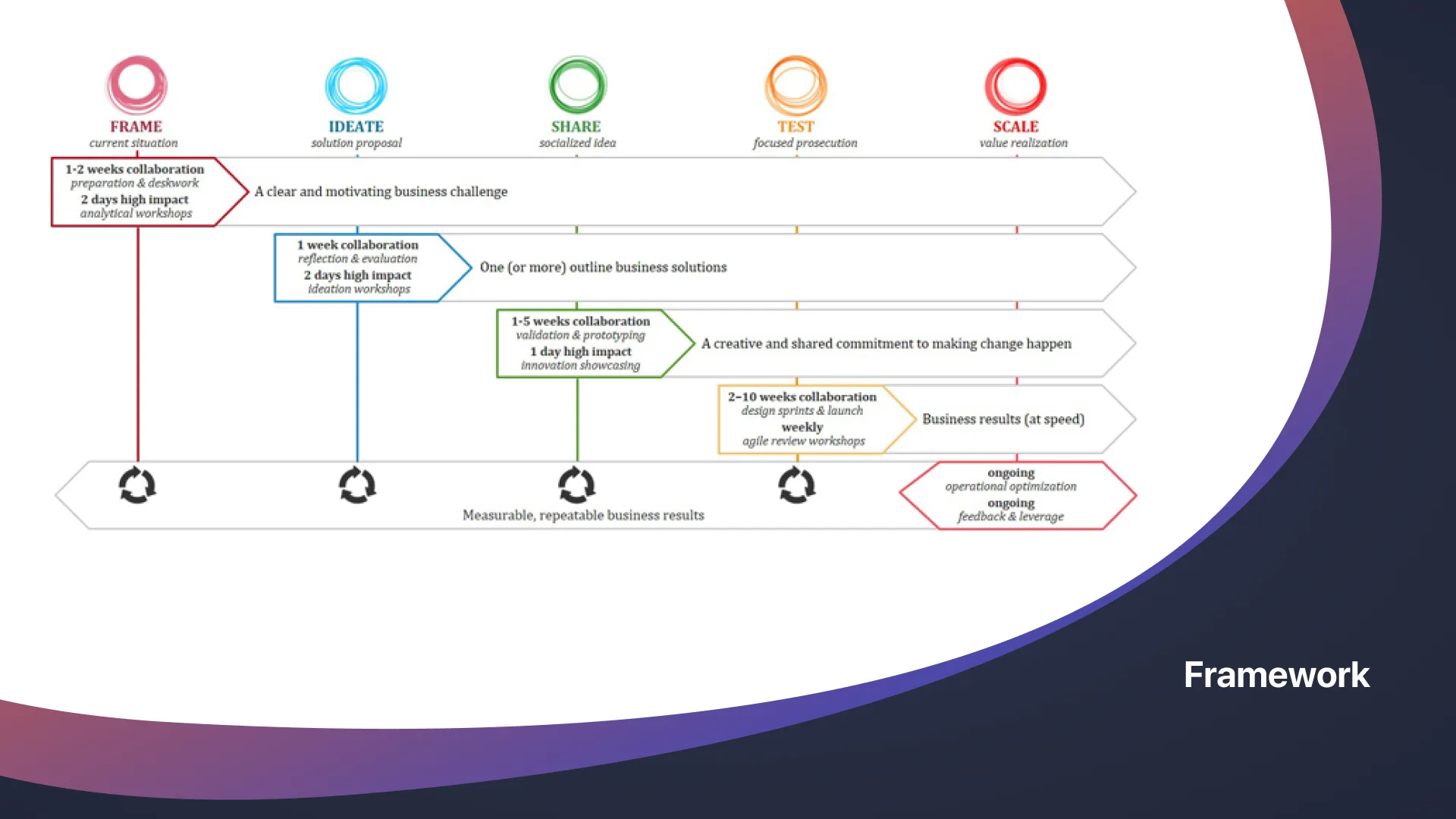
Program structure — how Oracle NEXT was organised: design-led consultancy working alongside architects and business leads to frame client problems and scope technology responses.
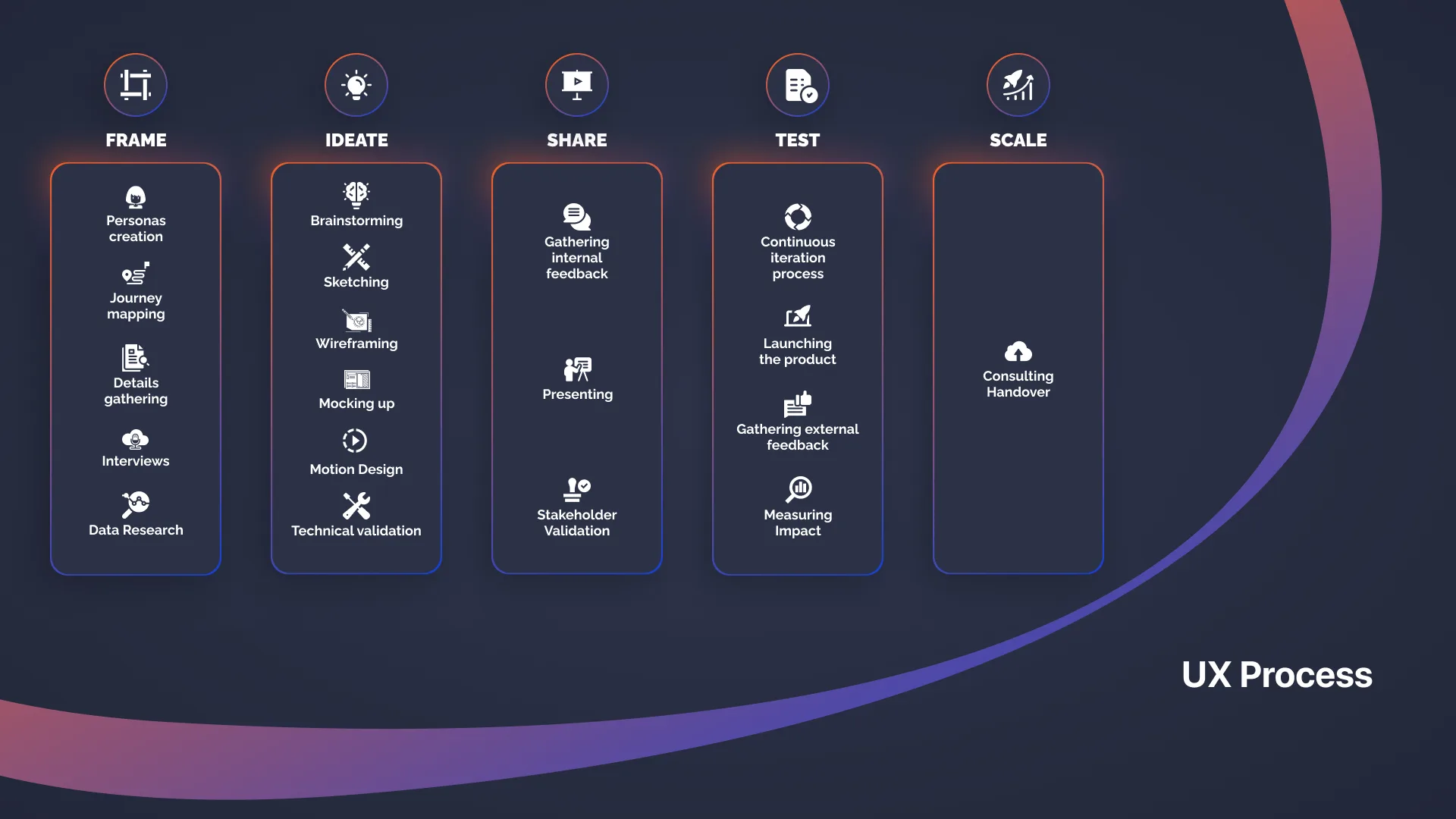
Structure as UX — mapping the NEXT engagement model to the UX process: how discovery, framing, and concept phases translated into design deliverables.
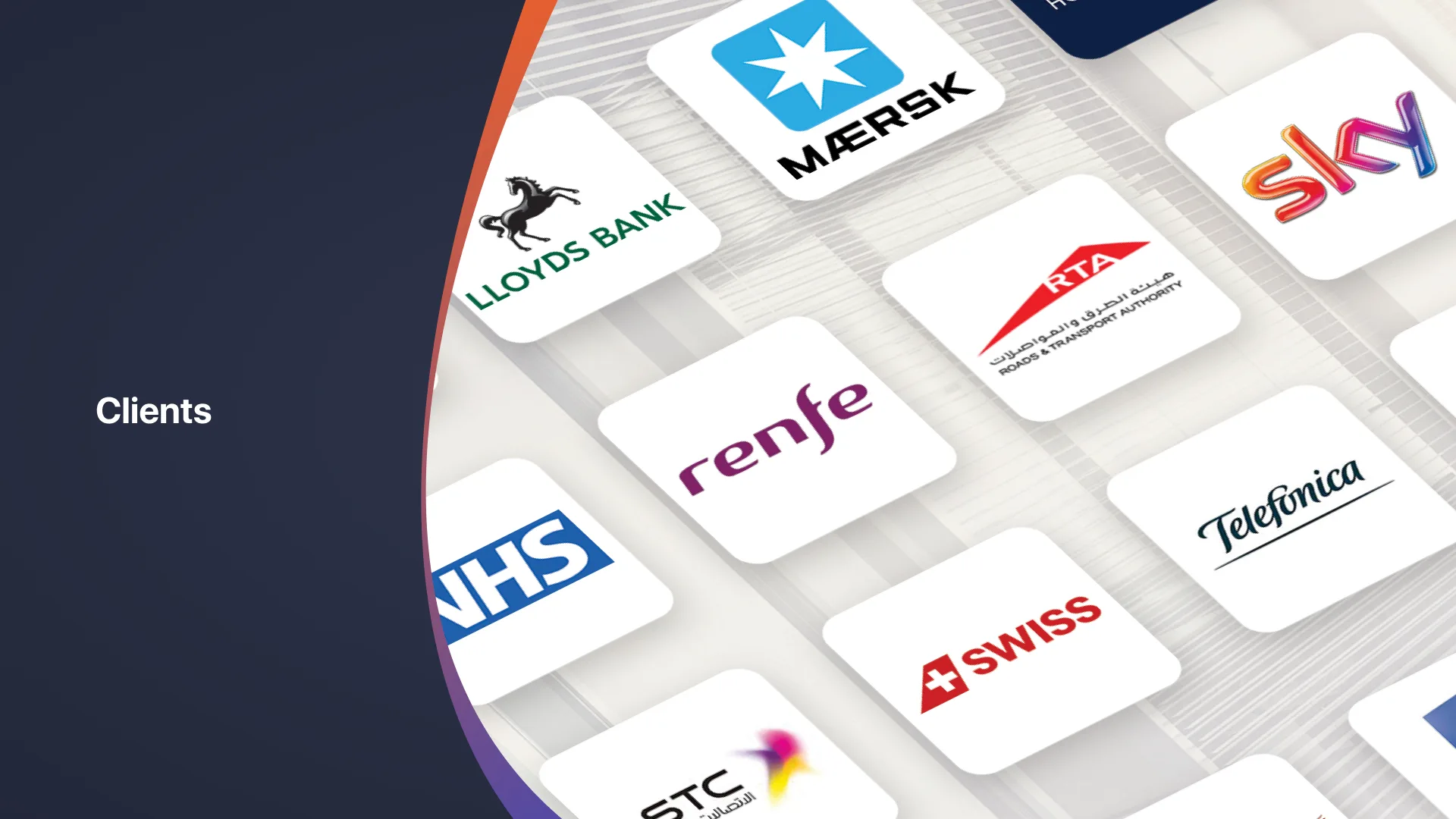
Client portfolio — the range of NEXT engagements across industries and geographies, situating the Volvo engagement within the broader programme.
Discovery
Understanding the pipeline, the people, and the friction
The project — each Volvo truck is a unique build. The challenge was giving production planners visibility into part readiness across dozens of concurrent custom orders.
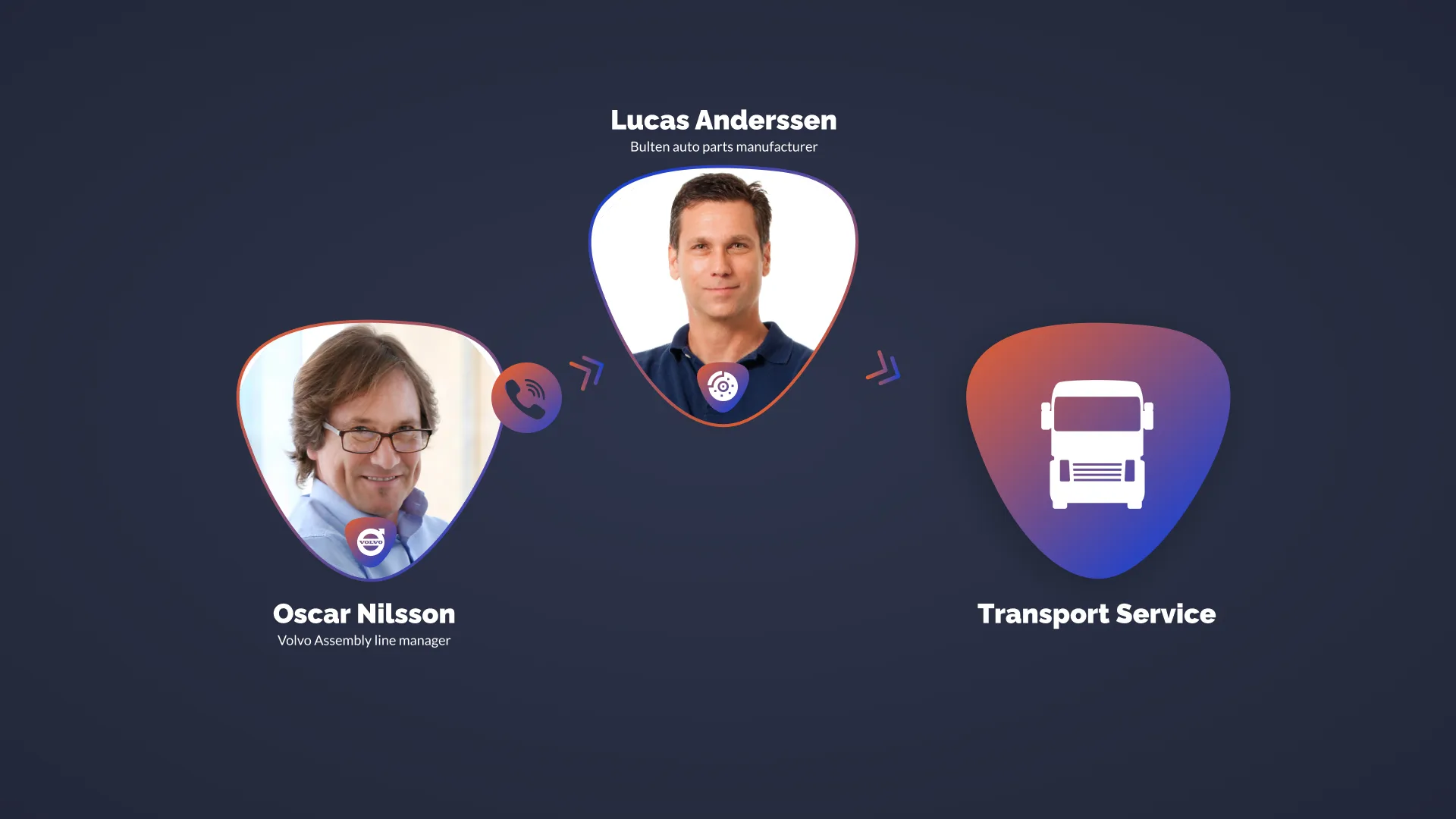
Stakeholder map — production planners, logistics coordinators, shippers, and receivers each had different needs and different relationships with the data.
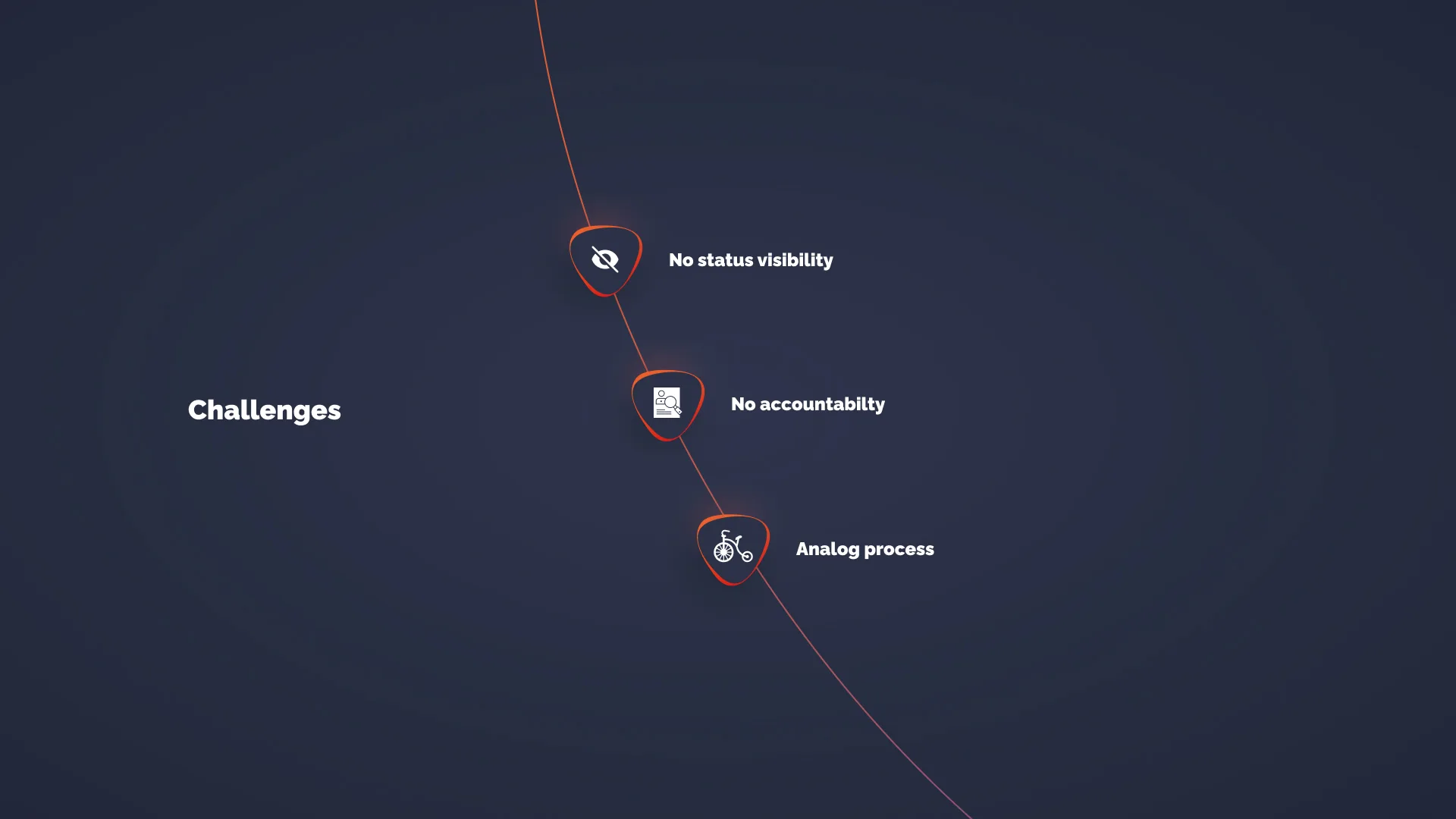
Challenges — no unified view of part status, manual coordination across teams, and sequencing decisions made on incomplete information were creating bottlenecks in the assembly line.
Solution
Giving the right people the right view at the right time
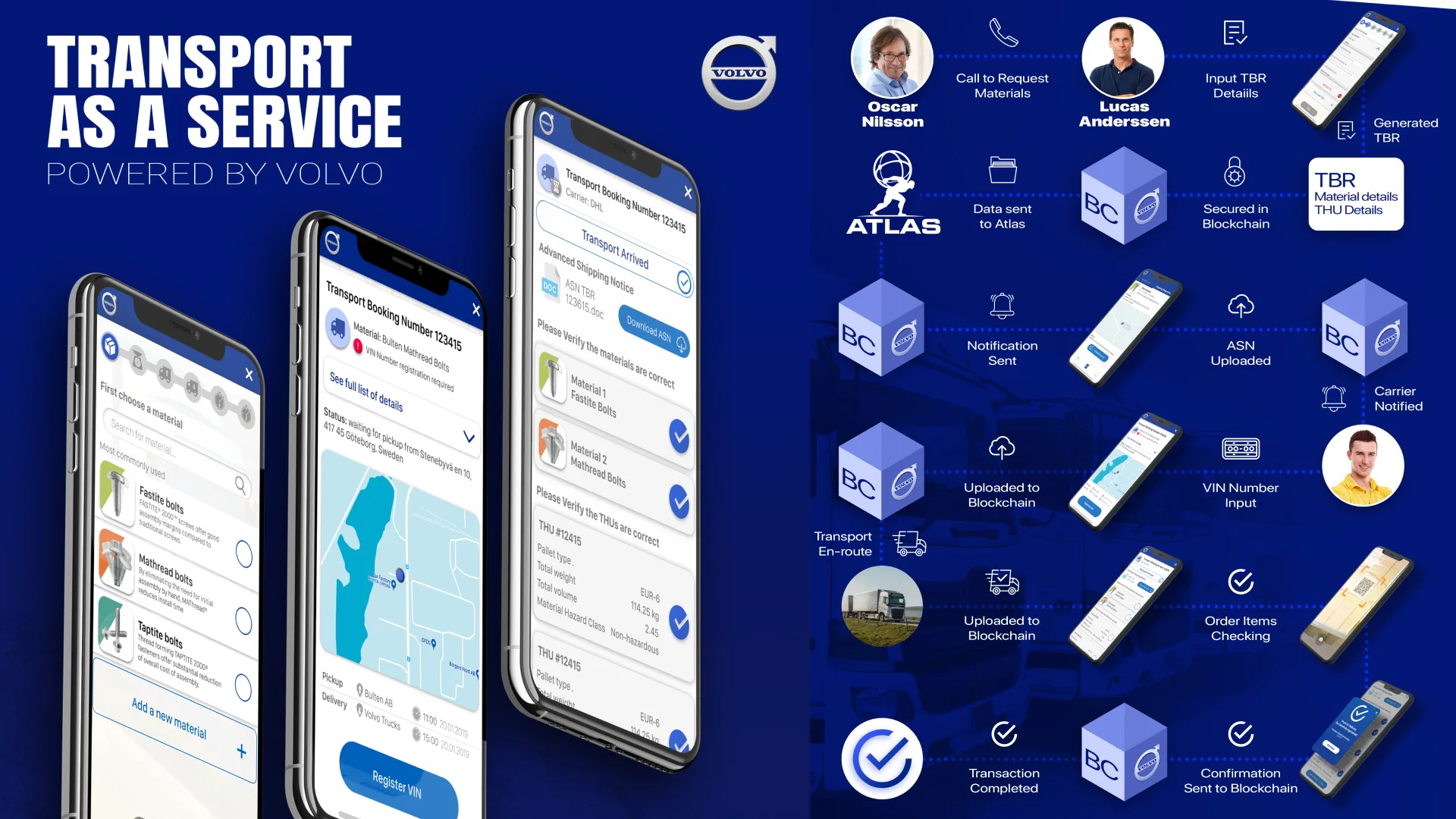
Solution overview — a parts-tracking platform with role-specific mobile interfaces for field logistics actors, feeding real-time data into a planning layer for production schedulers.
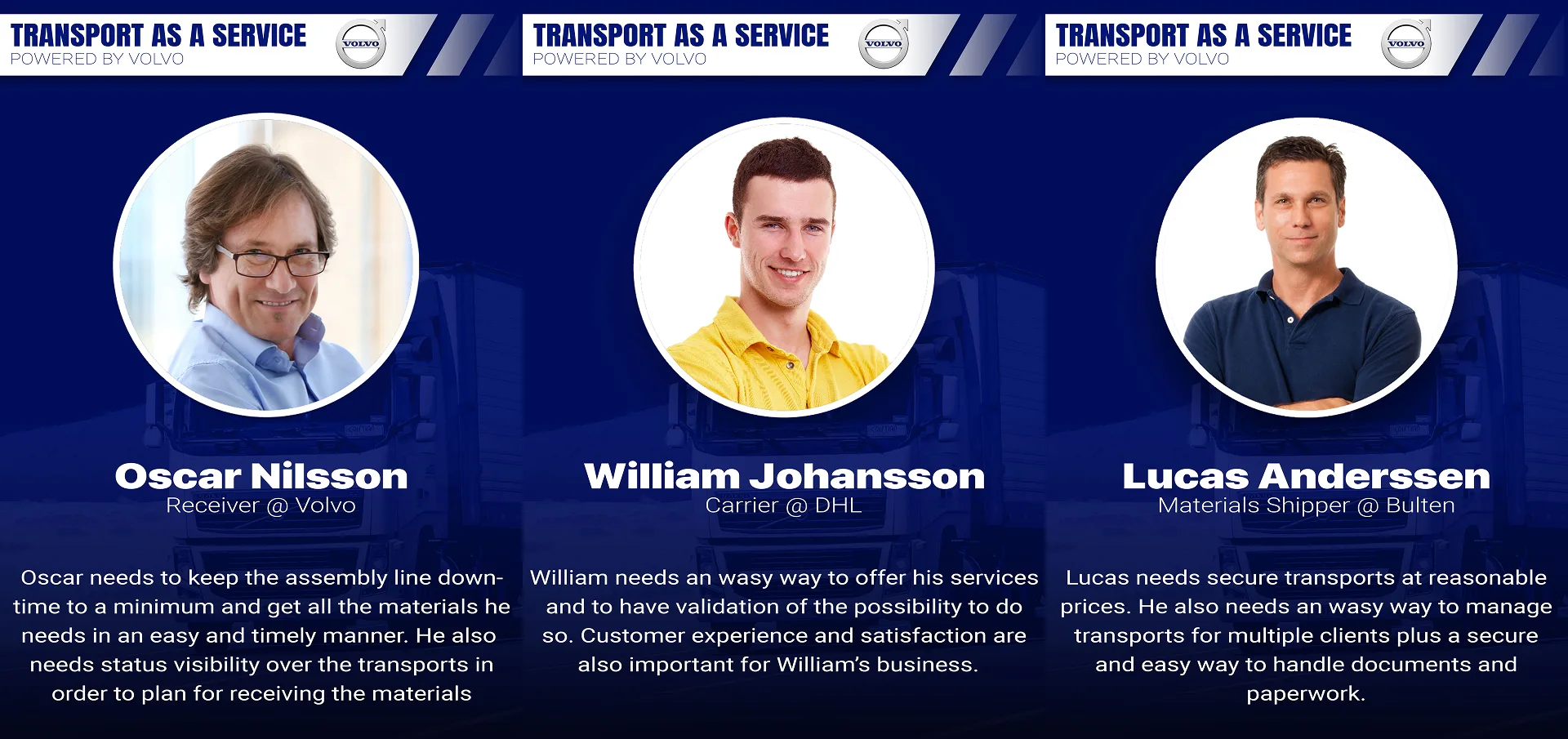
Personas — three primary users: a production planner managing assembly sequencing, a shipper dispatching parts, and a receiver confirming delivery and condition on-site.
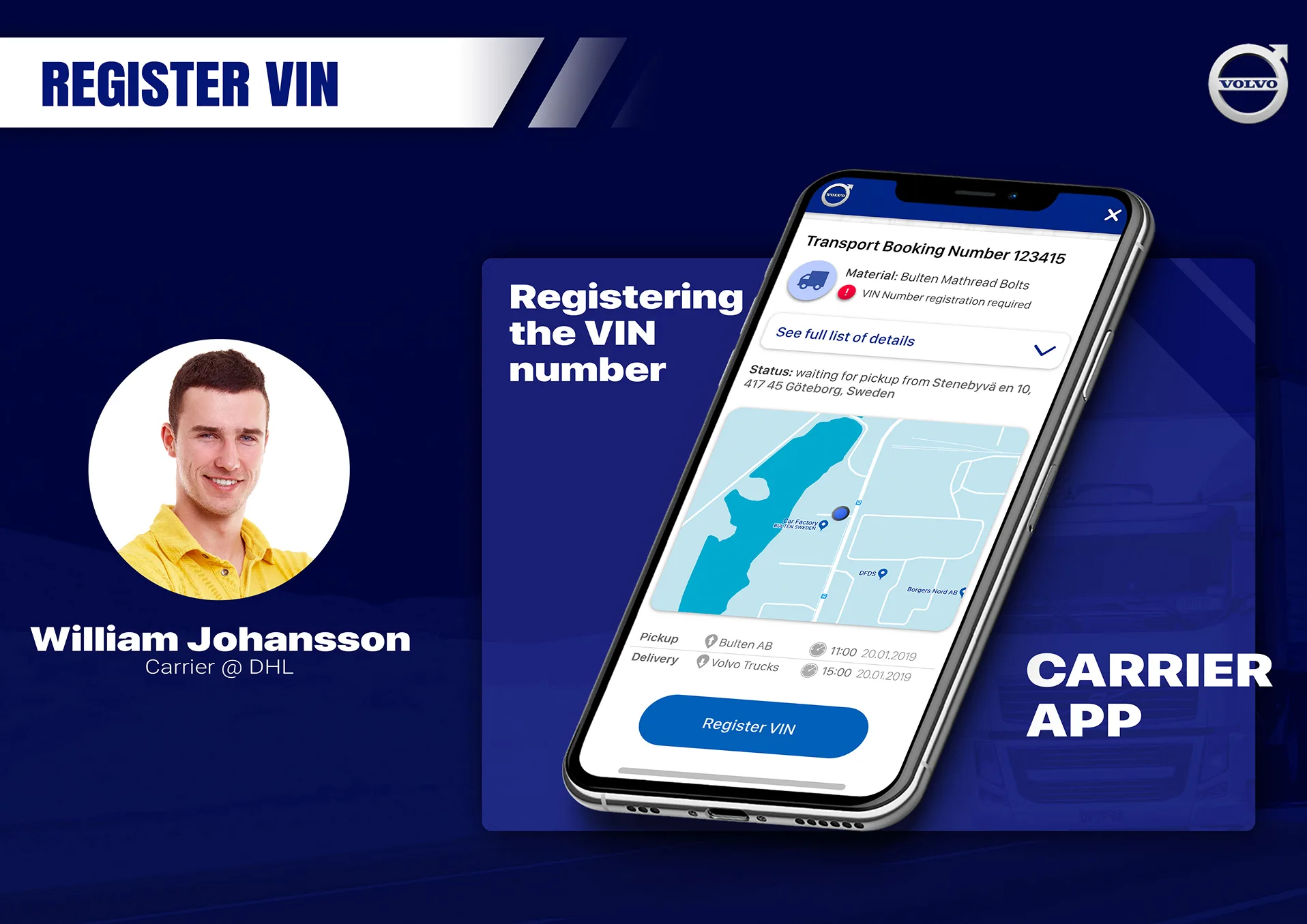
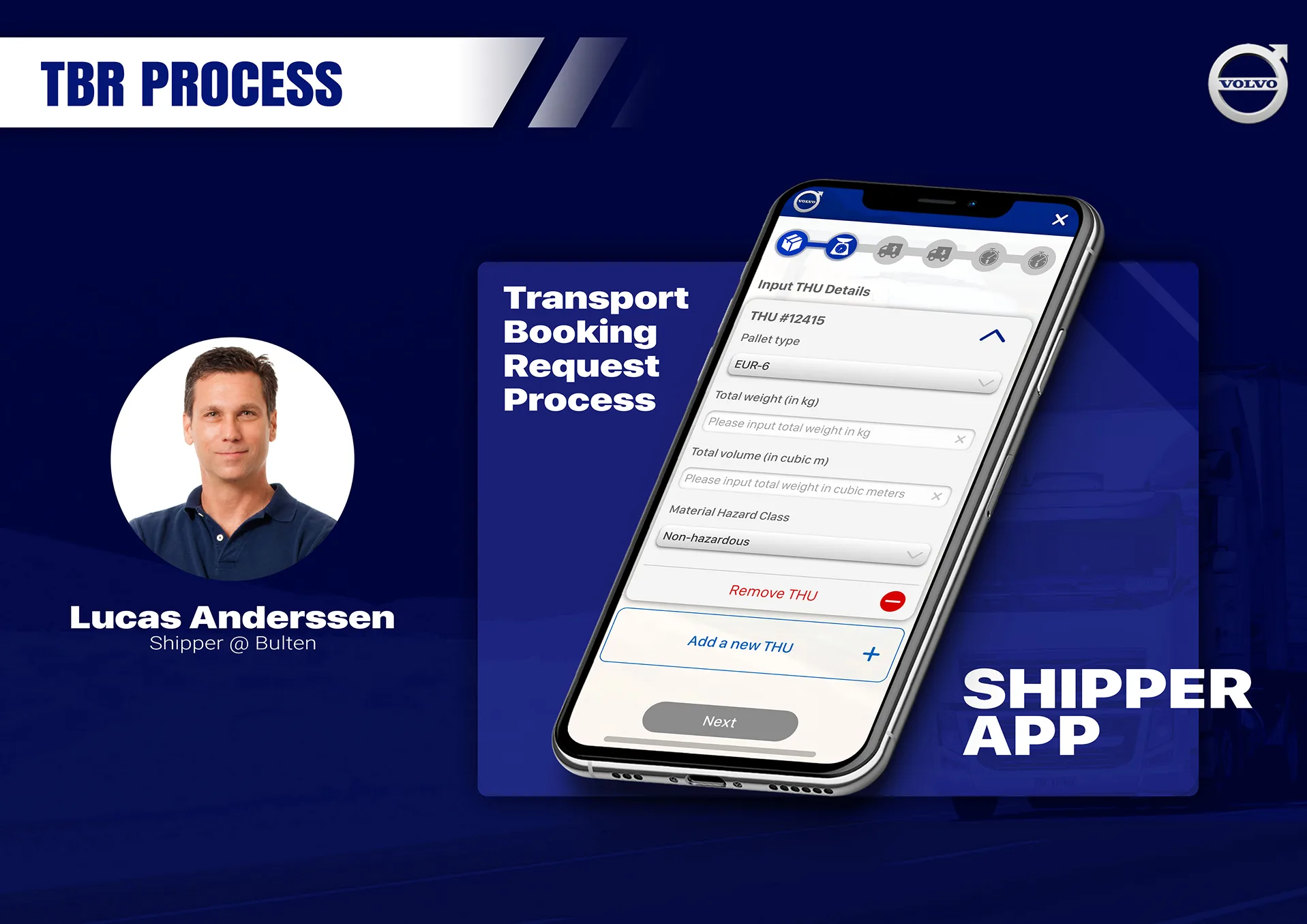
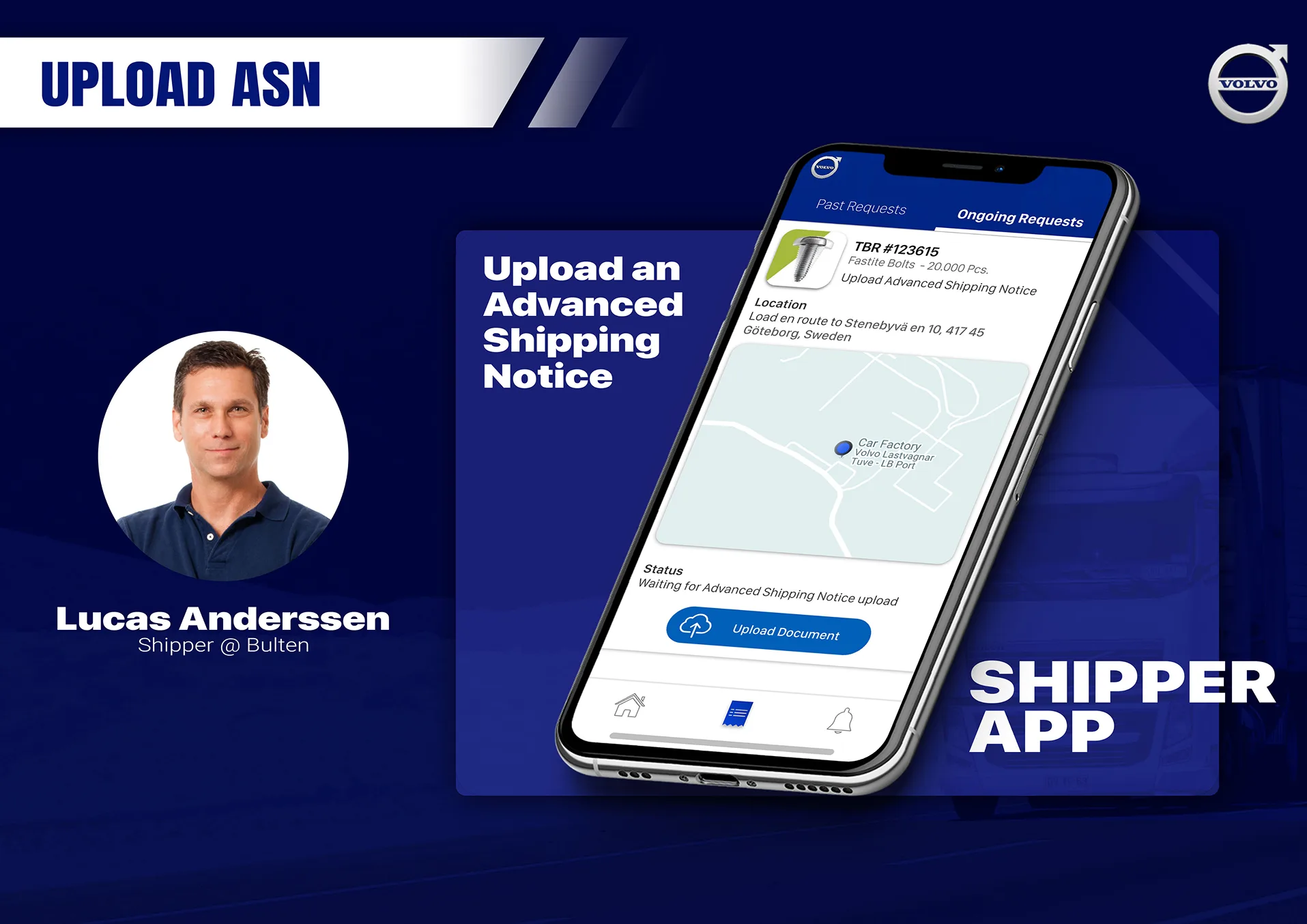
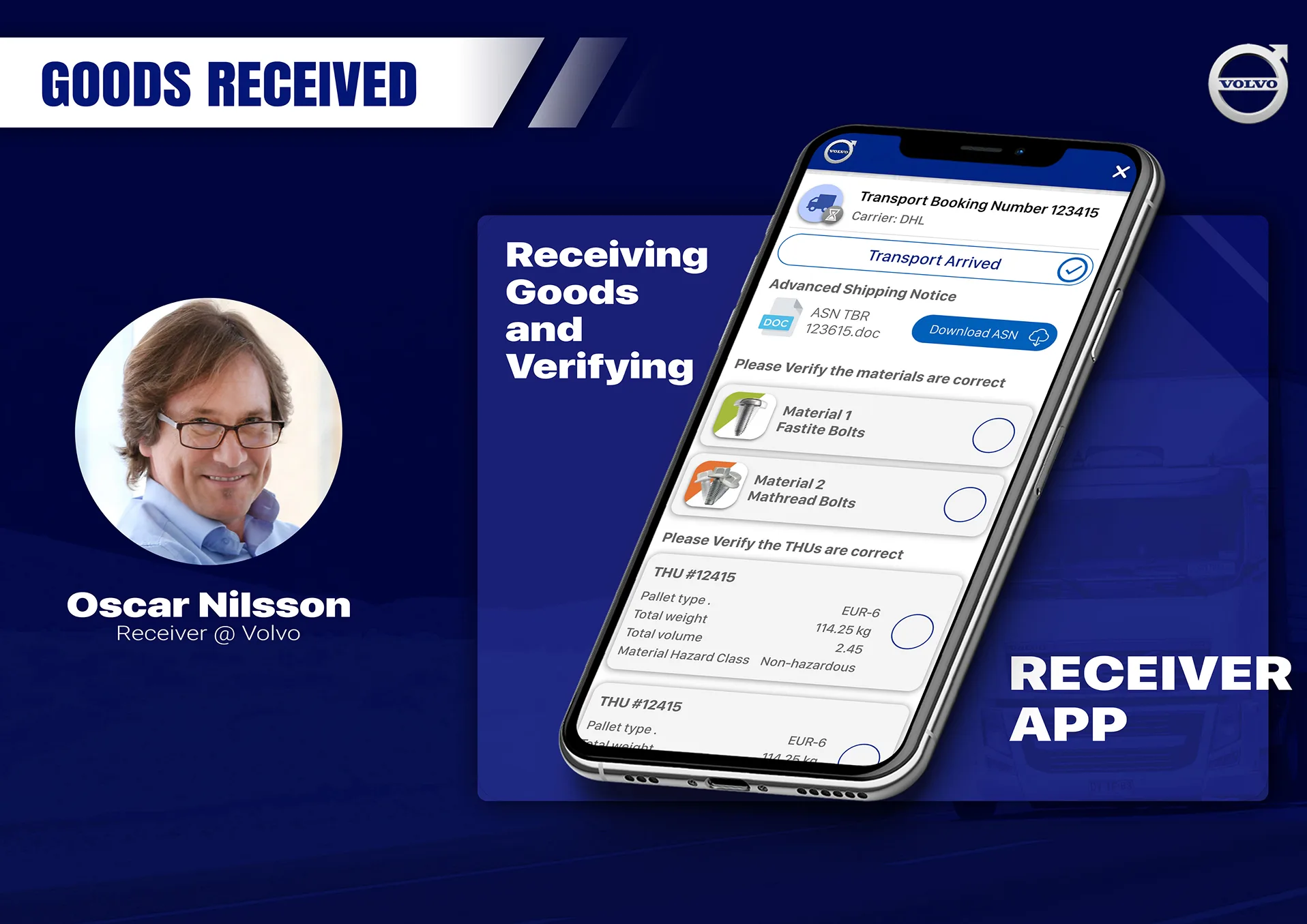
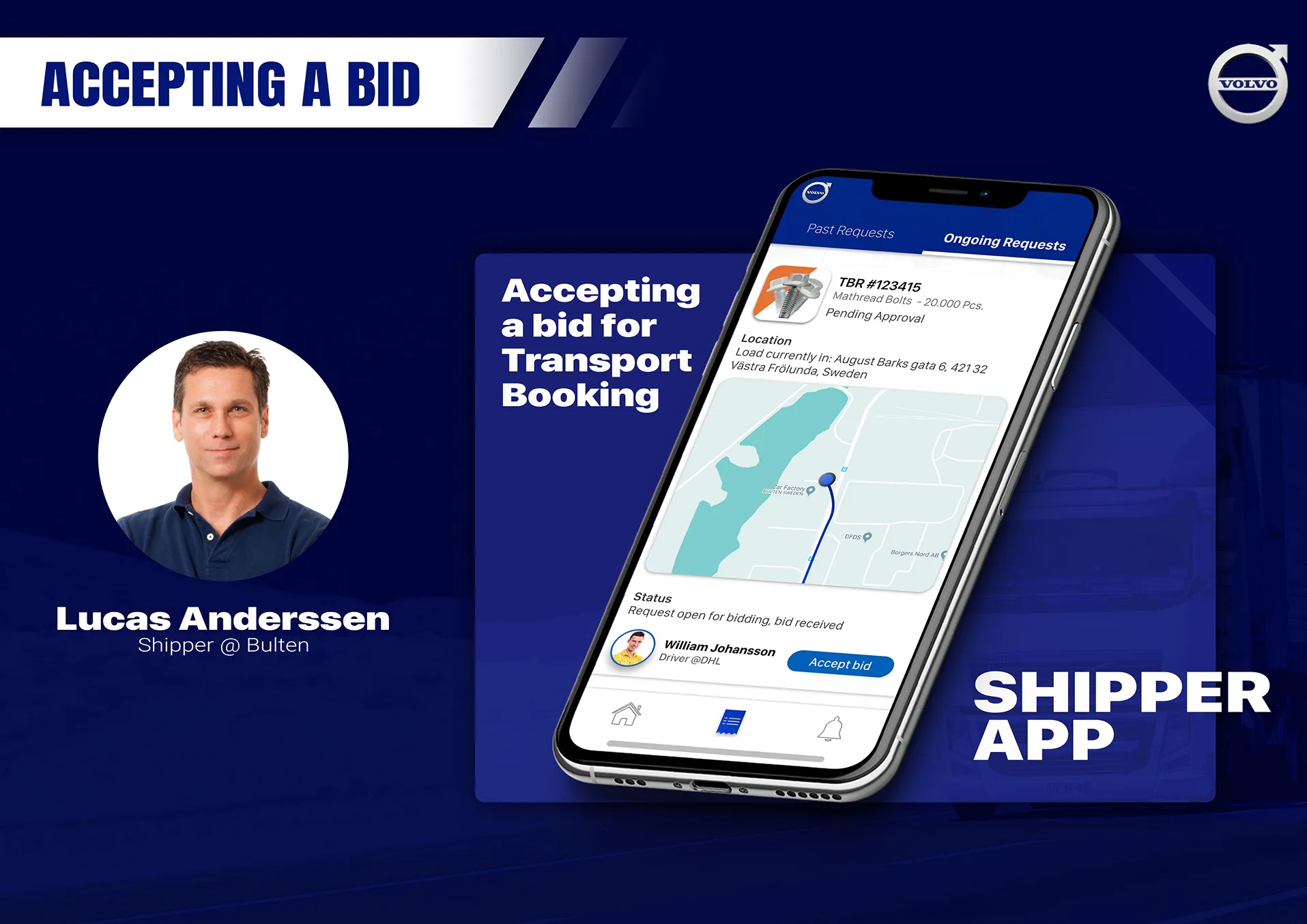
App screens — the shipper and receiver mobile interfaces, transport booking flow, and bid acceptance interaction. Each screen was designed around the specific job-to-be-done of that role in the parts logistics chain.